
CO-PLAY Network: Background
The CO-PLAY Network was created to address disparities in physical activity participation and improve settlement outcomes by building a national community of practice that brings together community leaders, service providers, and multidisciplinary researchers.
Through regional Hubs, the Network supports the co-creation, implementation, and evaluation of physical literacy-promoting programs tailored to the needs of newcomer youth.
Purpose
To reimagine Canada’s sport and recreation ecosystem by embedding inclusive, evidence-based practices that empower newcomer youth to thrive physically, socially, and emotionally. The CO-PLAY Network aims to:
Strengthen regional partnerships through Hubs in Greater Victoria, Calgary, Hamilton, Halifax East, and a developing hub in Québec.
Advance research and evaluation capacity across sectors.
Mobilize knowledge in real time to inform policy and practice.
Support newcomer youth in reaching their full potential through active, connected and healthy lives.
Goals
Why newcomer children and youth?
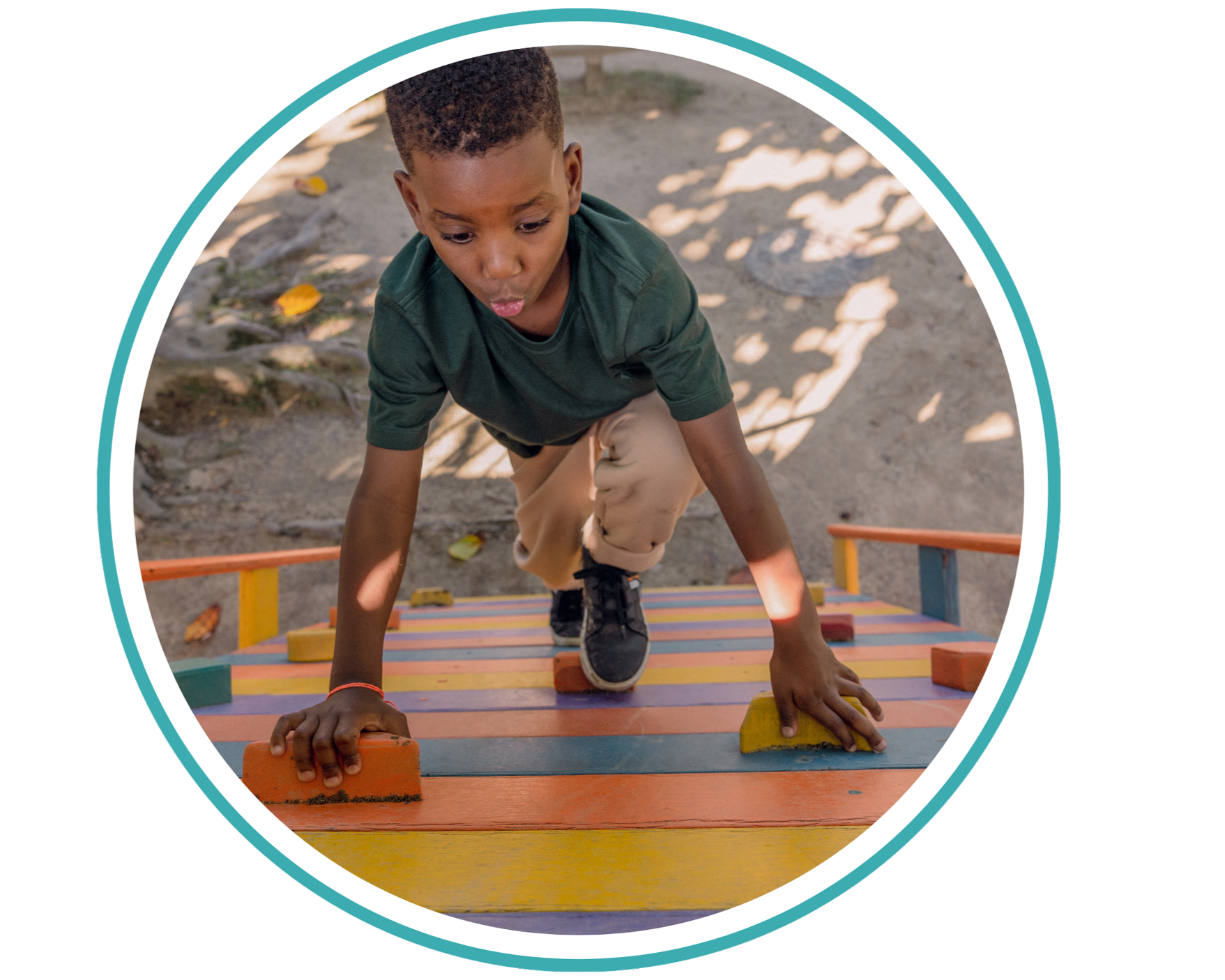
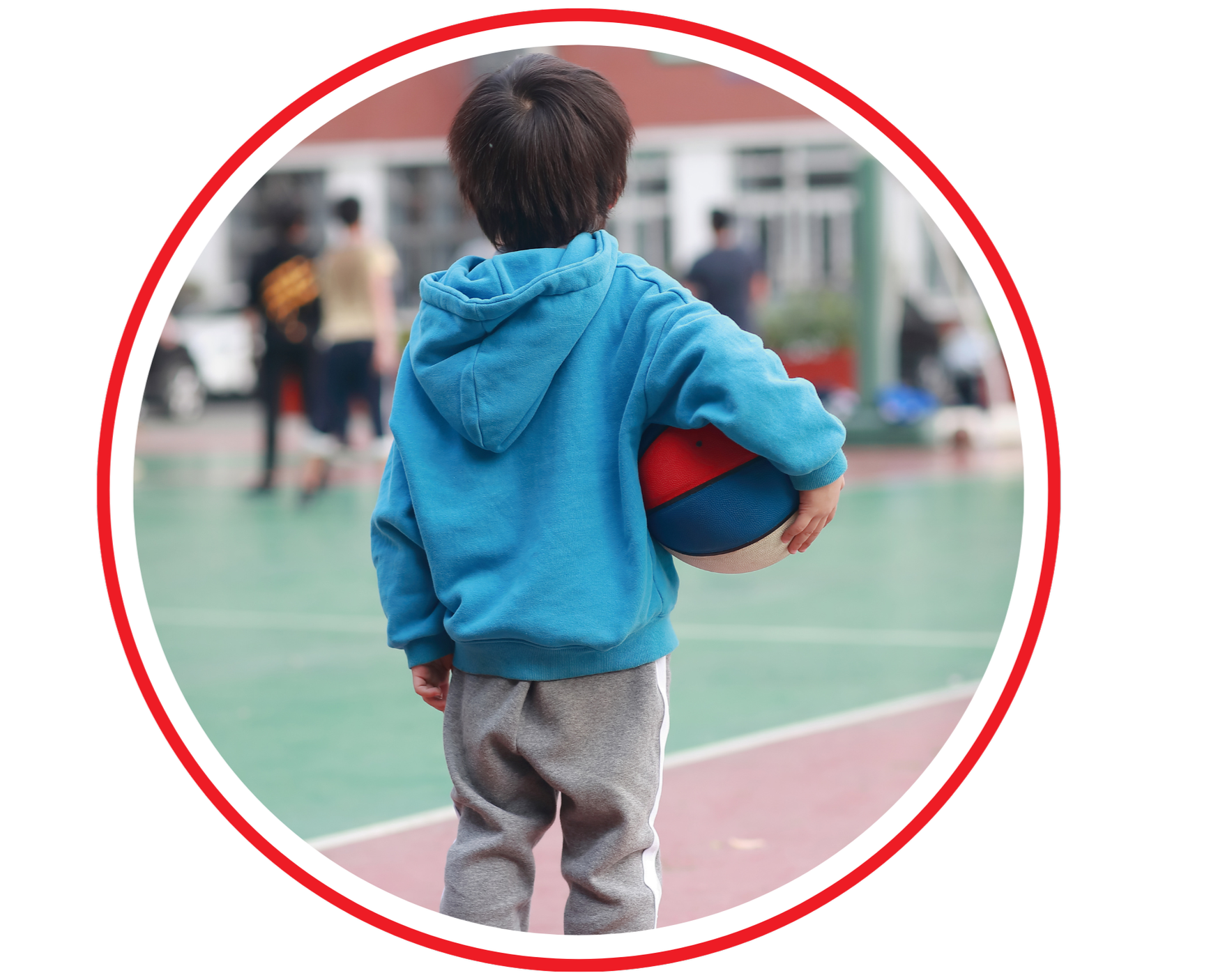
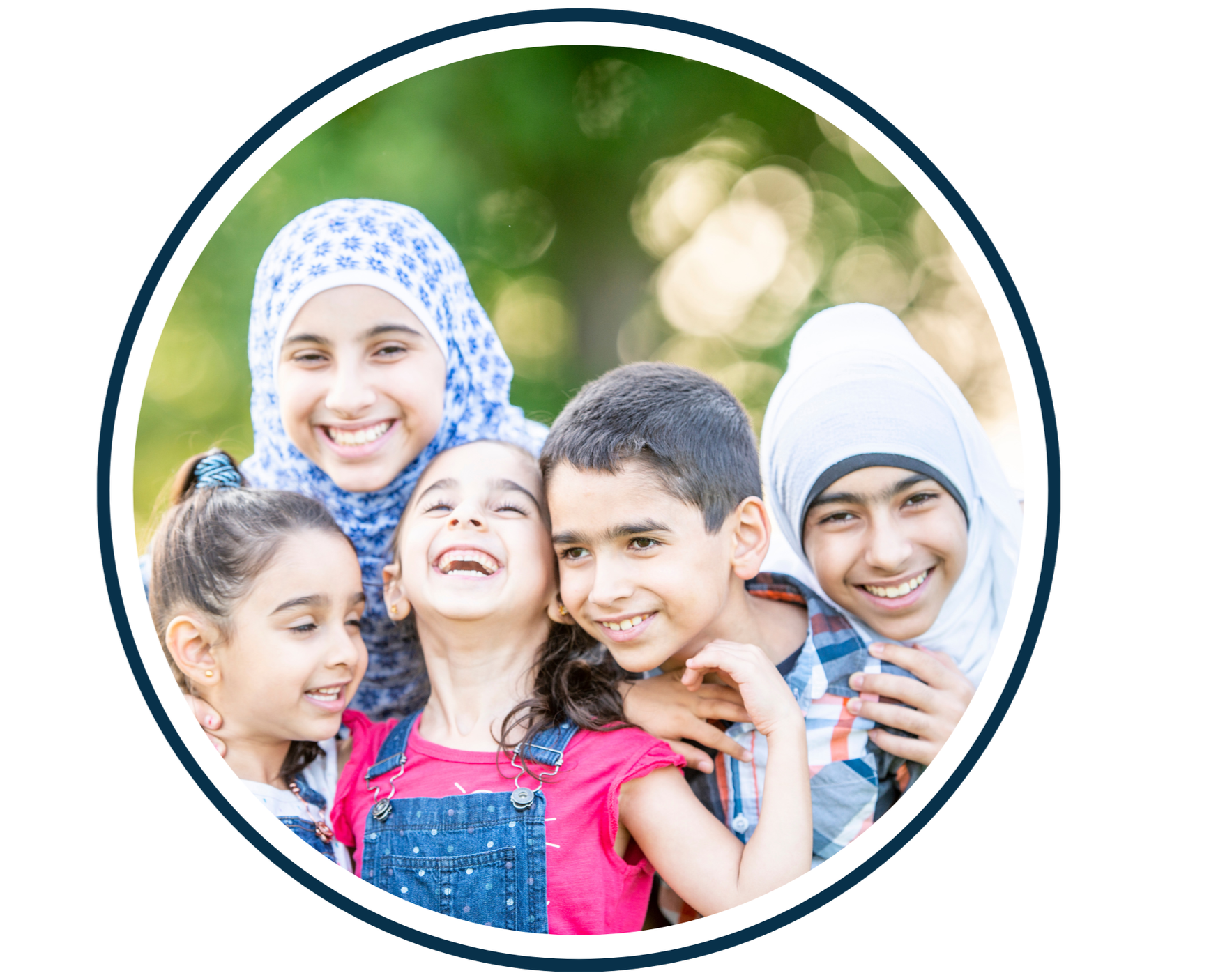
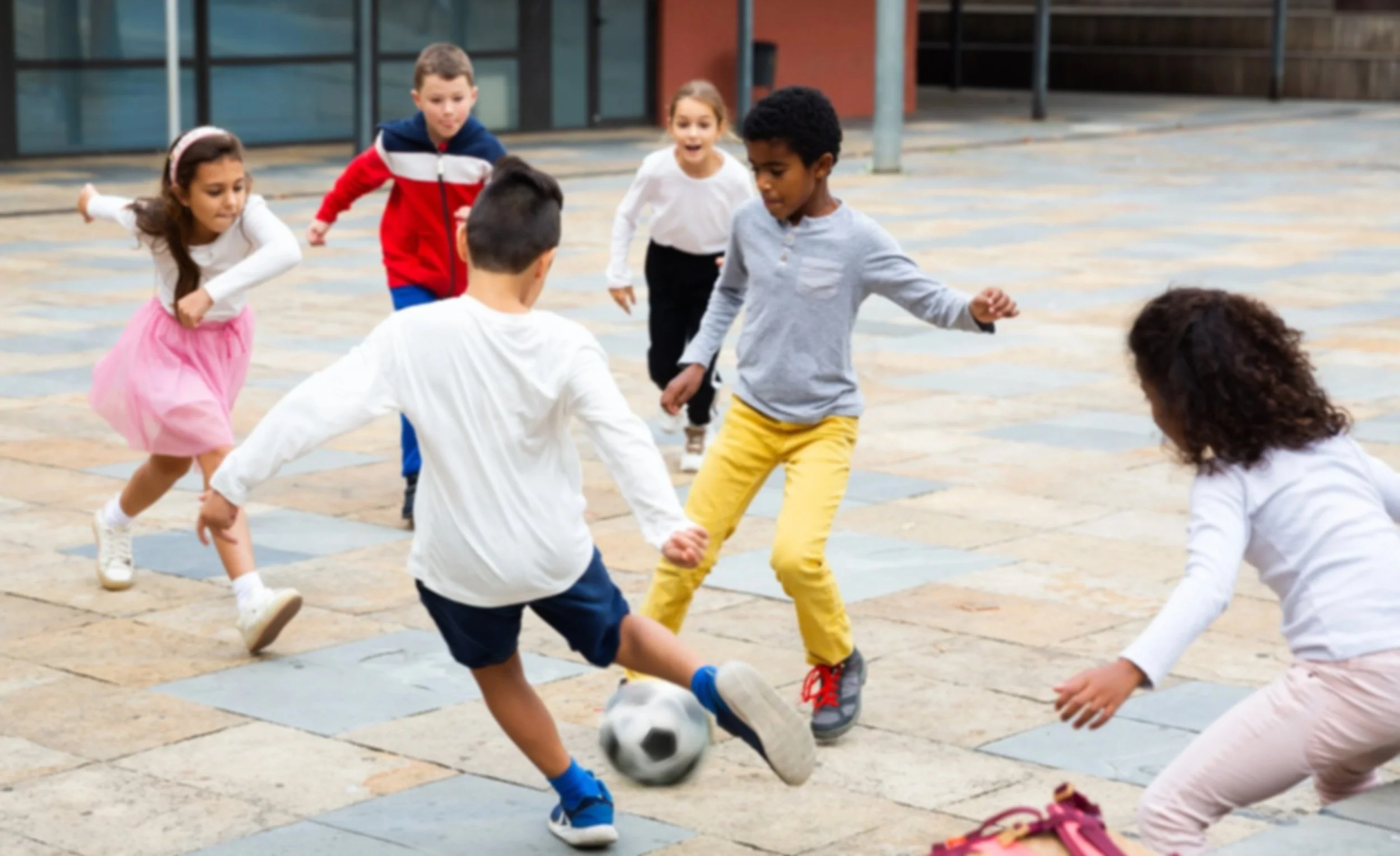
The programs developed through the CO-PLAY network will aim to improve outcomes for newcomer children and youth in Canada, a group that has grown significantly due to increased immigration and refugee resettlements.
Newcomers now make up nearly a quarter of Canada's population, and this group faces numerous challenges as they adjust to life in the country (1-3).
Among these challenges, young newcomers are particularly at risk of physical inactivity compared to their Canadian-born peers, which can negatively affect their physical, social, and mental health, as well as their overall settlement experience (4-6).
The initiative aims to support these youth by encouraging regular participation in physical activity to enhance their wellbeing and facilitate their successful integration into Canadian life.
Why physical literacy?
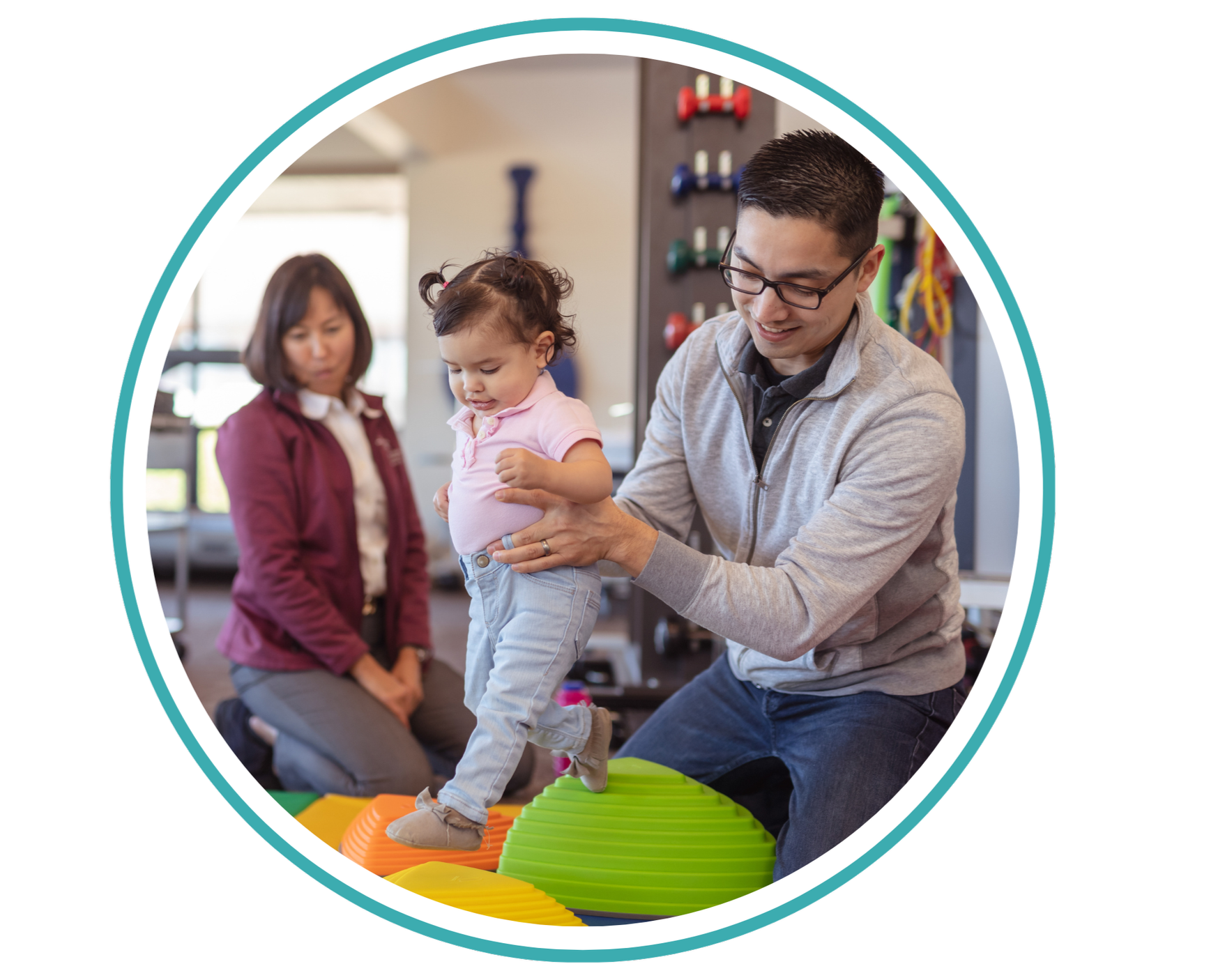
It is important to use evidence-based strategies to help newcomer youth be more active. Regular physical activity helps people’s physical, social, and mental health and well-being (7-11).
Physical activity also supports psychosocial development and helps newcomers settle more positively (12-16).
Many researchers say low activity levels, including among young newcomers, are partly because people lack physical literacy. Physical literacy means having the skills, confidence, motivation, and knowledge to stay active and healthy (17-19).
Newcomers often face many overlapping and system-level barriers that make it harder to be active (20-22). Improving physical literacy can raise physical activity and so improve physical, social, and mental health.
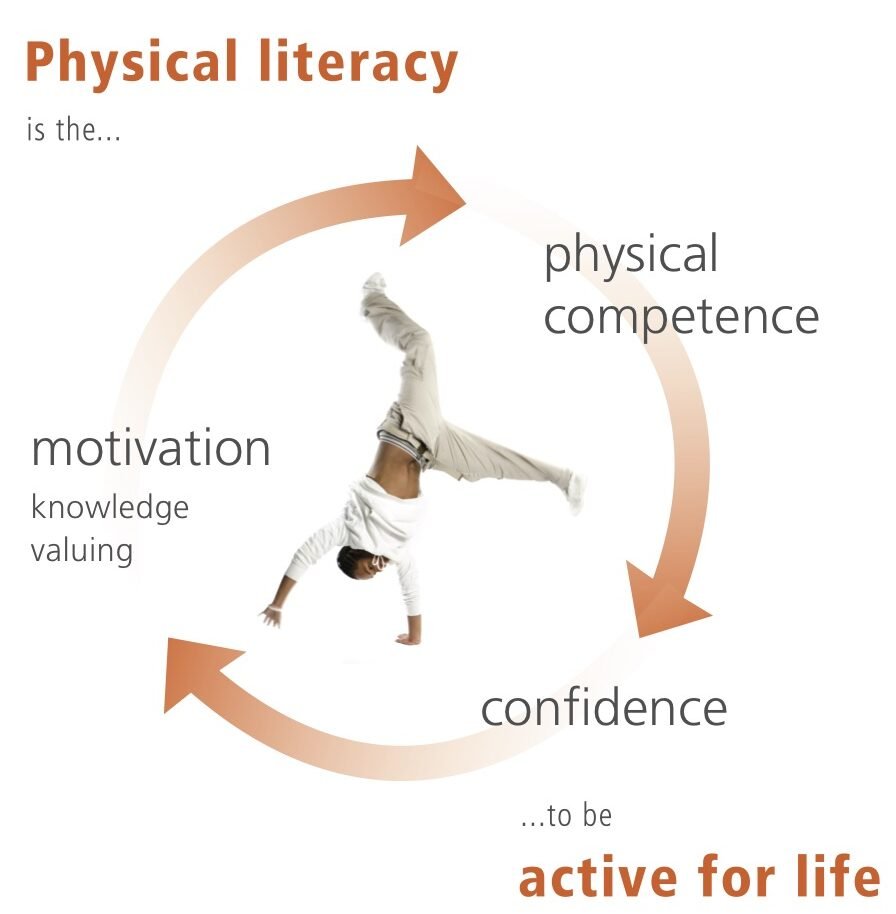
Image from: PhysicalLiteracy.ca
References on this page
1. Consultations on immigration levels – final report (2022). Government of Canada. Retrieved January 19, 2023, from https://www.canada.ca/en/immigration-refugeescitizenship/corporate/transparency/consultations/2022-consultations-immigration-levels.html
2. Annual Report to Parliament on Immigration (2022). Government of Canada. Retrieved January19, 2023, from https://www.canada.ca/en/immigration-refugeescitizenship/corporate/publicationsmanuals/annual-report-parliament-immigration-2022.html
3. Notice – Supplementary Information for the 2023-2025 Immigration Levels Plan (2022).Government of Canada. Retrieved January 19, 2023, fromhttps://www.canada.ca/en/immigrationrefugees-citizenship/news/notices/supplementaryimmigration-levels-2023-2025.html
4. Clark, W. (2008). Kids’ sports. Canadian social trends, 85, 54-61.
5. Kukaswadia, A., Pickett, W., & Janssen, I. (2014). Time since immigration and ethnicity as predictors of physical activity among Canadian youth: a cross-sectional study. PLoS One, 9(2),e89509.
6. Lacoste, Y., Dancause, K. N., Gosselin-Gagne, J., & Gadais, T. (2020). Physical Activity Among Immigrant Children: A Systematic Review. Journal of Physical Activity and Health, 17(10), 10471058.
7. Kemel, P. N., Porter, J. E., & Coombs, N. (2022). Improving youth physical, mental and social health through physical activity: a systematic literature review. Health Promotion Journal of Australia, 33(3), 590-601.
8. Biddle, S. J., & Asare, M. (2011). Physical activity and mental health in children and adolescents: a review of reviews. British journal of sports medicine, 45(11), 886-895.
9. Hallal, P. C., Bauman, A. E., Heath, G. W., Kohl, H. W., Lee, I. M., & Pratt, M. (2012). Physical activity: more of the same is not enough. The Lancet, 380(9838), 190-191.
10. Hassmen, P., Koivula, N., & Uutela, A. (2000). Physical exercise and psychological well-being: a population study in Finland. Preventive medicine, 30(1), 17-25.
11. Poitras, V. J., Gray, C. E., Borghese, M. M., Carson, V., Chaput, J. P., Janssen, I., ... & Tremblay, M. S. (2016). Systematic review of the relationships between objectively measured physical activity and health indicators in school-aged children and youth. Applied physiology, nutrition, and metabolism, 41(6), S197-S239.
12. Charles-Rodriguez, U., Venegas de la Torre, M. D., Hecker, V., Laing, R. A., & Larouche, R. (2023). The relationship between nature and immigrants’ integration, wellbeing and physical activity: a scoping review. Journal of immigrant and minority health, 25(1), 190-218.
13. Perreira, K. M., & Ornelas, I. J. (2011). The physical and psychological well-being of immigrant children. The Future of Children, 195-218.
14. Ha, J. P., & Lyras, A. (2013). Sport for refugee youth in a new society: The role of acculturation in sport for development and peace programming. South African Journal for Research in Sport, Physical Education and Recreation, 35(2), 121-140.
15. Kaya, A., Faulkner, P. E., Baber, C. R., & Rotich, J. P. (2022). Insights from immigrant and refugee youth on resilience through sport participation during adaption to a new country. Journal of Immigrant & Refugee Studies, 20(1), 33-48.
16. Charles-Rodriguez, U., & Larouche, R. (2024). Being “outdoors” in a new country: associations between immigrant characteristics, outdoor recreation activities, and settlement satisfaction in Canada. Leisure Studies, 1-15
17. Cairney, J., Dudley, D., Kwan, M.Y., Bulten, R., & Kriellaars, D. (2019). Physical literacy, physical activity and health: Toward an evidence-informed conceptual model. Sports Medicine, 49(3), 371383.
18. Dudley, D. A. (2015). A conceptual model of observed physical literacy. The Physical Educator, 72(5).
19. Whitehead, M. (2013). Definition of physical literacy and clarification of related issues. Journal of Sport Science and Physical Education, 65, 28–33.
20. Truskewycz, H., Drummond, M., & Jeanes, R. (2023). Negotiating participation: African refugee and migrant women's experiences of football. In Forced Migration and Sport (pp. 186-205). Routledge.
21. Ehnold, P., Jarck, H., Doherty, A., Elmose-Osterlund, K., Fahlen, J., Gohritz, A., ... &
Schlesinger, T. (2024). Developing a multi-level framework for analyzing public sports-based programmes to integrate migrants and refugees into organized sports. Sport in Society, 27(7), 983-1003.
22. Banati, P., Jones, N., Moreau, C., Mmari, K., Kagesten, A., Austrian, K., & Lundgren, R. (2024). Intersectionality, gender norms, and young adolescents in context: a review of longitudinal multicountry research programmes to shape future action. The Lancet Child & Adolescent Health, 8(7), 522-531.